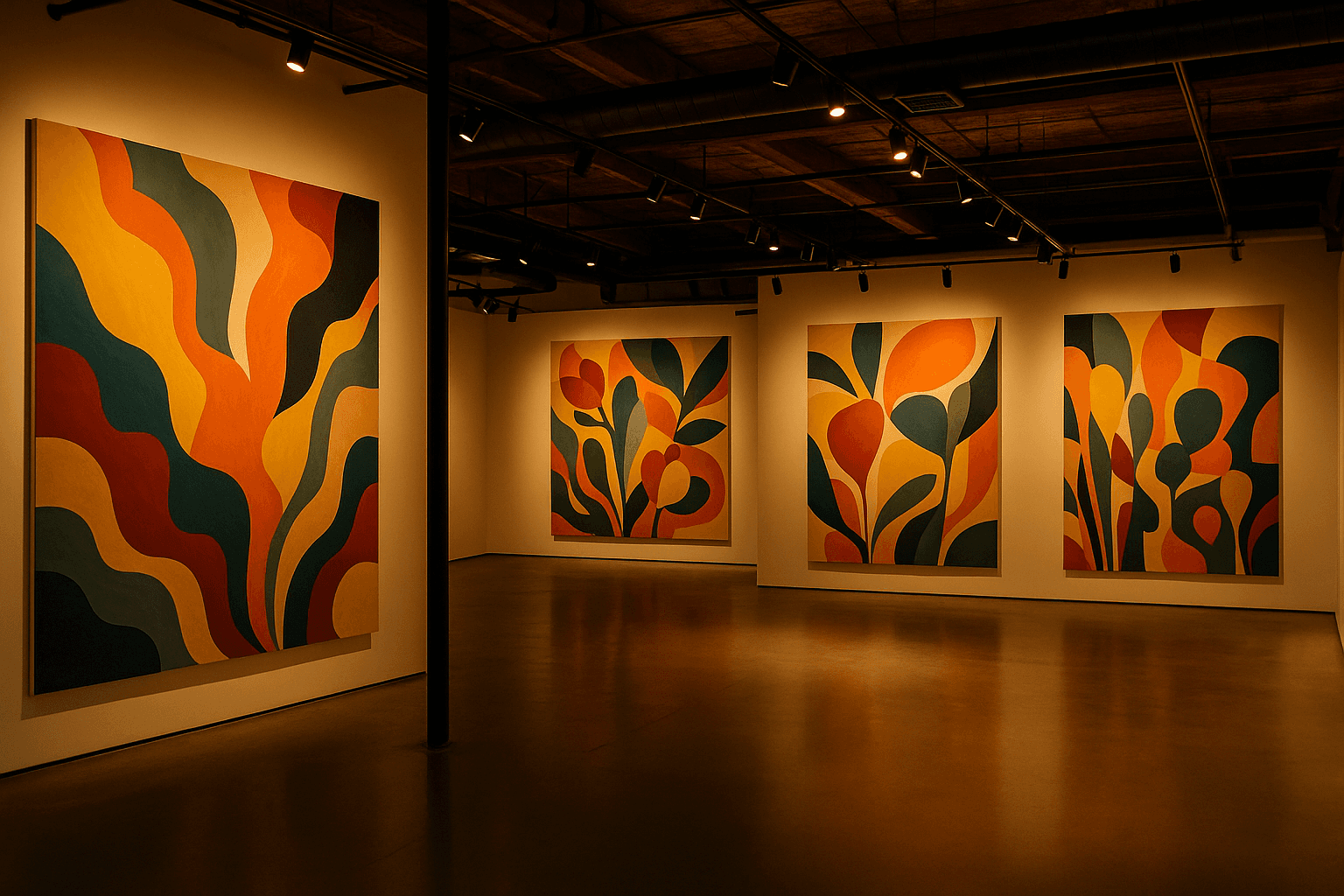
Art and Culture in Koreatown — Galleries, Events, and Creative Spaces
2026-03-17 · The RFC Group
Art and Culture in Koreatown — Galleries, Events, and Creative Spaces
Koreatown is famous for its food and nightlife. Ask most Angelenos about K-Town and they will mention Korean BBQ, karaoke, or the 24-hour spa scene. But beneath the surface of the dining district is a cultural ecosystem that includes contemporary art galleries, a world-class performance venue, a dedicated Korean cultural center, an annual festival that draws tens of thousands, and a street art scene that is quietly becoming one of the most interesting in Los Angeles.
Living at 856 S Gramercy Dr puts you inside this cultural ecosystem. These are not experiences you need to drive across town for — they are woven into the daily fabric of the neighborhood.
The Korean Cultural Center Los Angeles (KCCLA)
The Korean Cultural Center Los Angeles is the primary institution dedicated to promoting Korean culture in Southern California. Operated by the Ministry of Culture, Sports and Tourism of the Republic of Korea, KCCLA hosts a rotating schedule of exhibitions, film screenings, language classes, cooking workshops, and performances throughout the year. Admission to most events is free.
The gallery space features exhibitions that range from traditional Korean art — calligraphy, ceramics, hanji (paper art), and ink painting — to contemporary works by Korean and Korean-American artists working in photography, installation, mixed media, and digital art. Exhibitions typically run for one to two months and are curated with care that rivals much larger institutions.
KCCLA also sponsors cultural education programs. Korean language classes, traditional instrument workshops (gayageum, janggu), and cooking demonstrations provide hands-on engagement with Korean culture beyond the passive gallery experience. For Koreatown residents, these programs are a genuine asset — free, accessible, and consistently high quality.
Contemporary Art Galleries
EK Gallery — 1125 S Crenshaw Blvd
EK Gallery occupies a 20,000-square-foot space near Koreatown's western edge and represents both emerging and established artists working across painting, sculpture, photography, and mixed media. The gallery's scale allows for ambitious installations that smaller spaces cannot accommodate. Exhibition openings draw a diverse crowd of collectors, artists, and art-curious neighborhood residents.
EK Gallery's programming reflects the cultural duality of Koreatown itself — exhibitions frequently explore themes of diaspora, identity, translation, and the collision of Eastern and Western aesthetic traditions. The gallery has built a reputation for discovering talent early, making it a space where you can see work that will later appear in museum shows.
Gallery CLU — 4011 W 6th St, Suite 101
Gallery CLU is a smaller, more intimate contemporary art space on 6th Street that focuses on fine craft and contemporary art. The gallery represents artists whose work blurs the boundary between art and craft — ceramics that function as sculpture, textiles that tell stories, metalwork that challenges the gallery-versus-studio distinction. Gallery CLU's exhibitions tend toward the contemplative, offering a quieter counterpoint to the energy of the surrounding streetscape.
Pop-Up Galleries and Artist Studios
Koreatown's commercial real estate landscape creates opportunities for pop-up galleries and temporary exhibition spaces. Vacant storefronts along Olympic Boulevard and 6th Street periodically host short-term art shows organized by local artist collectives and Korean-American cultural organizations. These pop-ups are often announced on social media with little advance notice, making them a reward for residents who are tuned into the neighborhood's cultural pulse. Following accounts like @visitkoreatown and local gallery Instagram pages is the best way to stay informed.
The Wiltern — Wilshire Blvd and Western Ave
The Wiltern is Koreatown's most iconic cultural landmark. Built in 1931 at the corner of Wilshire Boulevard and Western Avenue, the building is a masterwork of Art Deco and Zigzag Moderne architecture. The turquoise terra-cotta exterior is dramatic from any angle, but the interior is where the building truly transcends. The theater's sunburst ceiling — a radiating pattern of gilded plasterwork — is one of the most beautiful architectural details in Los Angeles. Every seat in the house has a view of it.
As a Live Nation venue, The Wiltern hosts major touring artists across genres. In a typical month, you might see an indie rock headliner, a stand-up comedy special, a K-pop showcase, and a legacy artist reunion tour. The theater's mid-size capacity (approximately 1,850 seats) creates an intimacy that larger venues cannot match. Standing on the floor during a sold-out show, surrounded by Art Deco grandeur, is an experience unique to Koreatown.
The Wiltern is also an architectural destination independent of its programming. The LA Conservancy periodically offers guided tours of the building's interior, covering its construction history, its Depression-era financing, and the restoration efforts that saved it from demolition in the 1980s.
Korean Festivals and Community Events
Los Angeles Korean Festival
The Los Angeles Korean Festival is the largest annual cultural event in Koreatown and one of the biggest Korean festivals in the United States. Held each fall, the festival spans multiple days and draws tens of thousands of attendees to Seoul International Park and surrounding streets. The programming includes traditional Korean music and dance performances, taekwondo demonstrations, cooking competitions, a K-pop showcase stage, food vendors serving everything from tteokbokki to hotteok, and a parade that traces a route through Koreatown's major thoroughfares.
The festival serves as an introduction to Korean culture for newcomers and a homecoming celebration for the Korean-American community. For Koreatown residents, it transforms the neighborhood into a block party on a massive scale. Living within walking distance of the festival grounds — as residents of 856 S Gramercy Dr do — means you can drop in and out across multiple days without dealing with parking or traffic.
Lunar New Year Celebrations
Koreatown's Lunar New Year celebrations bring traditional performances, special restaurant menus, and cultural programming to the neighborhood each January or February. Many restaurants offer special holiday dishes, and KCCLA typically hosts a celebration with traditional games, performances, and family activities.
Chuseok (Korean Thanksgiving)
Chuseok, the Korean harvest festival, is observed by many Koreatown businesses and cultural organizations with special events, food offerings, and community gatherings. The holiday falls in September or October and provides another window into Korean cultural traditions for residents interested in understanding the deeper rhythms of the neighborhood.
Street Art and Murals
Koreatown's mural scene has developed organically over the past decade, with contributions from Korean-American artists, local muralists, and commissioned works sponsored by business improvement districts and cultural organizations.
The murals span a wide range of styles and subjects. Some depict traditional Korean imagery — hanbok-clad figures, mountain landscapes, and calligraphic text. Others explore contemporary Korean-American identity — immigration stories, bicultural experiences, and the collision of old-world tradition with California modernity. Still others are purely aesthetic, transforming blank walls into cascades of color and pattern.
Notable mural clusters can be found along the blocks between Vermont Avenue and Normandie Avenue, on side streets off Olympic Boulevard, and near Madang Courtyard. Unlike the curated murals of the Arts District downtown, Koreatown's street art has a less self-conscious quality — it exists as part of the neighborhood rather than as a destination in itself.
The Museum of Neon Art (MONA) offers a free self-guided walking tour that covers historic neon signs and illuminated facades throughout Koreatown. While technically focused on signage rather than street art, the tour reveals the visual layer of the neighborhood that operates after dark — glowing Korean characters, retro neon storefronts, and the particular way that light defines the Koreatown streetscape at night.
Creative Spaces and Cultural Infrastructure
Koreatown Pavilion Garden
The Koreatown Pavilion Garden is a 5,000-square-foot traditional Korean gazebo (jeong) constructed by South Korean craftsmen and donated to the city of Los Angeles. The structure features the curved rooflines, painted wooden beams, and intricate decorative patterns characteristic of Korean architectural tradition. Surrounded by a small garden, the pavilion provides a meditative pause in the middle of a dense urban neighborhood. It is both a cultural artifact and a functioning public space — locals use it for quiet reflection, reading, and small gatherings.
Chapman Plaza
Chapman Plaza is a historic commercial complex in Koreatown with Spanish Colonial Revival architecture that predates the neighborhood's Korean identity. The building's courtyards, tiled walkways, and arched entryways speak to the layers of cultural history embedded in Koreatown's built environment. Chapman Plaza hosts retail businesses and restaurants, and its architecture has made it a backdrop for film and photography projects.
LA Conservancy Architectural Tours
The LA Conservancy's self-guided tour program includes a Koreatown route titled "L.A.'s K-Town: Culture and Community." The tour covers the architectural and cultural history of the neighborhood, from its origins as a wealthy residential district in the early 20th century through its transformation into the Korean-American commercial center it is today. The tour PDF is available for free download and provides historical context that enriches every subsequent walk through the neighborhood.
Nearby Cultural Institutions
Koreatown's central location places several major Los Angeles cultural institutions within easy reach.
LACMA (Los Angeles County Museum of Art) is a short bus ride or drive west on Wilshire Boulevard. The museum's Korean Art Galleries house a dedicated collection that traces Korean artistic tradition from ancient ceramics through modern painting. When the D Line Phase 1 opens in May 2026, LACMA will be even more accessible from Koreatown via the Wilshire/Fairfax station.
The Broad in Downtown LA, reachable via the Metro D Line from Wilshire/Western, houses one of the best contemporary art collections in the country.
The Natural History Museum and California Science Center in Exposition Park are accessible by Metro and bus from Koreatown, adding family-friendly cultural options to the mix.
Why Culture Matters for Where You Live
Neighborhoods with strong cultural identities tend to attract engaged, curious residents who contribute to the community rather than simply occupying space. Koreatown's art galleries, cultural center, festivals, and performance venues create an environment where something is always happening — where a Tuesday night might include a gallery opening on 6th Street, a concert at The Wiltern, or a Korean cooking class at KCCLA.
For residents of 856 S Gramercy Dr, this cultural density is part of daily life. The building's amenities provide a comfortable home base, and the neighborhood provides an endlessly stimulating context. Whether your interests run toward contemporary art, traditional Korean culture, live music, architecture, or street art, Koreatown delivers without requiring a car or a plan.
Schedule a tour of 856 Gramercy and immerse yourself in one of LA's most culturally rich neighborhoods.
Looking for an apartment in Koreatown?
Explore available units at The Gramercy — new luxury apartments with modern amenities.
View Available Units